Building Confidence in Shy Dance Students: A Teacher's Guide
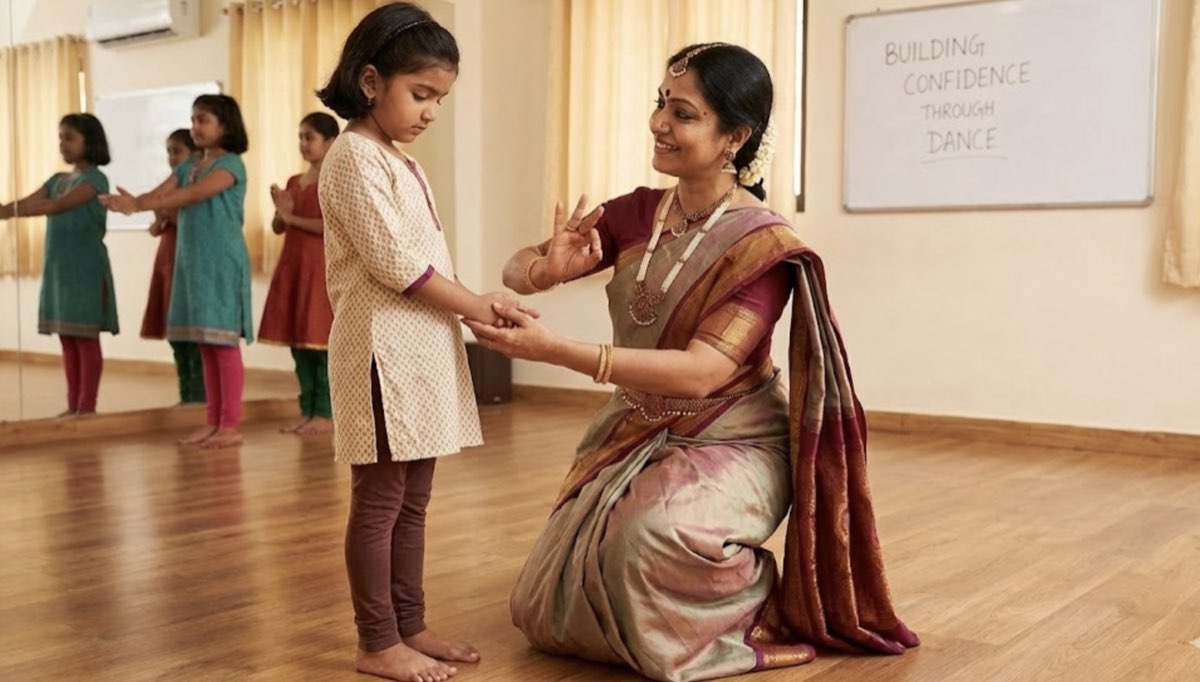
Every dance teacher has encountered them – the students who hover at the back of the class, eyes cast down, moving tentatively through each step. As a dance instructor, watching a shy student discover their inner dancer is one of the most rewarding experiences in dance education.
Understanding the Challenge: Why Students Hold Back
Shyness in dance stems from various sources. Many students fear judgment, lack body confidence, or feel overwhelmed by complex movements. In traditional Indian dance forms like Bharatanatyam, where expressions and storytelling are integral, shy students often struggle with the emotional vulnerability required.
When teaching dance online, these challenges can intensify. Students may feel self-conscious about being on camera or worry about technical difficulties interrupting their flow. Understanding these root causes is crucial for any dance teacher developing an effective dance curriculum.
Research-Backed Solutions for Building Confidence
Dance pedagogy research shows that confidence builds through incremental success and positive reinforcement. Studies indicate that students who receive specific, constructive feedback show 40% greater improvement in self-assurance compared to those receiving general praise.
The Power of Safe Spaces
Creating psychological safety in your dance studio – whether physical or virtual – is fundamental. Students need to know they can make mistakes without ridicule. This is particularly important when students learn Bharatanatyam online, where the intricate hasta mudras and abhinaya require practice and patience.
Practical Implementation: A Step-by-Step Approach
Week 1-2: Foundation Building
Start Small: Begin with simple movements that students can master quickly. In Bharatanatyam, this might mean focusing on basic aramandi position before moving to complex adavus.
Use Mirroring Techniques: Have confident students demonstrate while shy ones follow. This reduces spotlight anxiety while maintaining engagement.
Week 3-4: Gradual Exposure
Partner Work: Pair shy students with supportive classmates. This works exceptionally well in dance coaching scenarios where peer learning accelerates confidence building.
Choice and Control: Allow students to choose their position in class or select which combinations to perform. This autonomy builds ownership and reduces anxiety.
Week 5-6: Individual Recognition
Private Feedback Sessions: Especially valuable in teaching dance online, these one-on-one moments allow personalized encouragement without public pressure.
Showcase Preparation: Gradually introduce performance elements, starting with small group presentations before individual spotlights.
Real-World Success Stories
Priya, a 14-year-old student learning Bharatanatyam online, initially refused to turn on her camera. Her dance instructor implemented a "camera optional" policy and gradually introduced fun challenges like "show us your favorite mudra." Within two months, Priya was leading warm-ups and helping newer students.
Similarly, in a contemporary dance business model, instructors found that shy students responded well to themed classes where they could embody characters, reducing self-consciousness through role-play.
Essential Tools and Resources
Technology Solutions
For online dance education, consider platforms that allow private messaging, breakout rooms for small group work, and recording capabilities so students can review their progress privately.
Physical Environment
In traditional dance studios, create designated "practice corners" where shy students can work independently while still being part of the class community.
Assessment Strategies
Develop rubrics that celebrate effort alongside technique. This approach works particularly well in comprehensive dance curriculums where progress tracking motivates continued participation.
Building Long-Term Confidence
Remember that confidence building is a marathon, not a sprint. Consistent encouragement, celebrating small victories, and maintaining high expectations while providing strong support creates the ideal environment for shy students to flourish.
The transformation of a shy student into a confident performer reflects the profound impact of thoughtful dance pedagogy. These students often become the most dedicated and expressive dancers, having worked through their initial hesitations to find genuine joy in movement.