Bharatanatyam: A Full-Body Workout Disguised as Grace
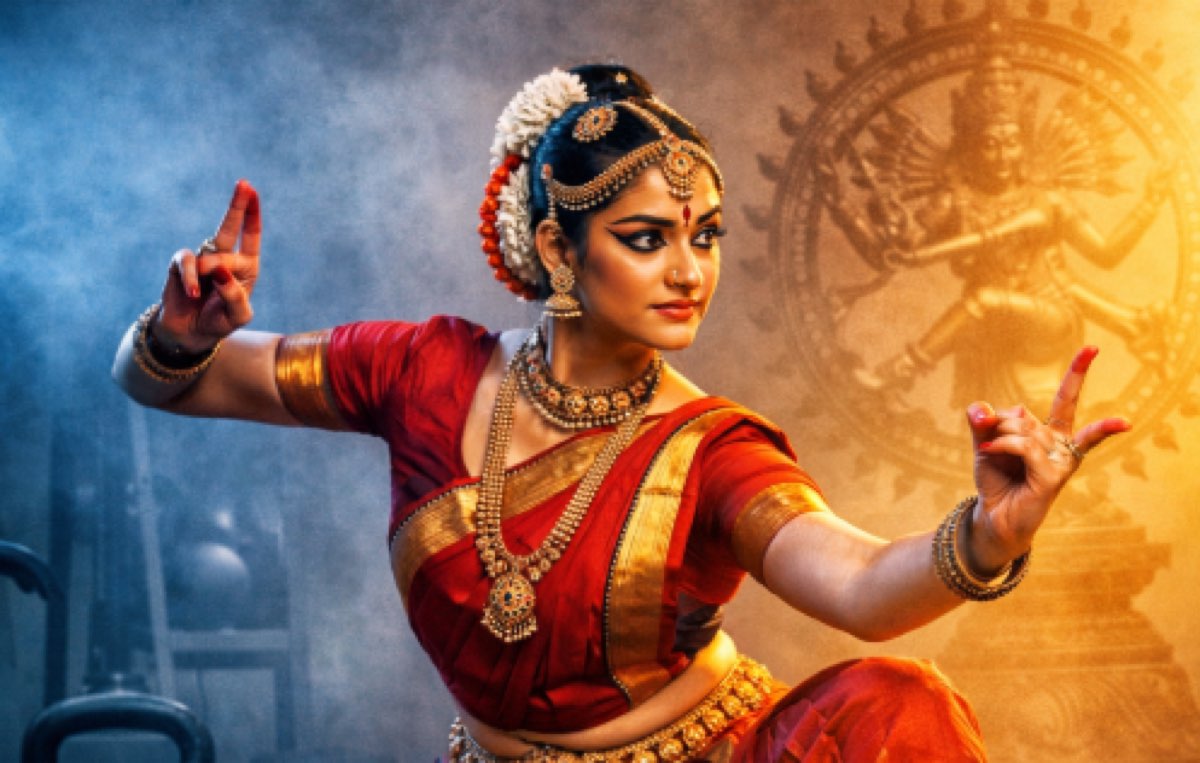
Bharatanatyam trains everything: strength, stamina, stability, and sharp mental coordination
People often underestimate Bharatanatyam until they try it. From the outside, it looks graceful, ornamented hand gestures, expressive eyes, and rhythmic footwork.
But behind that elegance is a physically demanding discipline that builds strength, stamina, mobility, coordination, and mental focus all at once.
In many ways, Bharatanatyam is closer to an athletic training system than a casual dance hobby, and its fitness benefits rival structured gym workouts, while also training artistry and emotion.
Here’s how Bharatanatyam trains your body (and your mind):
1) The “hidden” Strength Training in Araimandi
A key reason Bharatanatyam is so intense is araimandi (the half-sitting posture). Holding a stable araimandi requires sustained engagement of the quadriceps, hamstrings, glutes, hip stabilizers, and core. Unlike a quick set of squats, Bharatanatyam demands that you maintain this posture while moving, changing directions, and coordinating arms, neck, and facial expression.
That combination of static endurance plus dynamic movement creates a powerful lower body burn. Over time, consistent practice can improve:
- Leg strength and endurance
- Hip stability and knee control
- Postural alignment and balance
- Core strength (because your torso must remain lifted and steady)
Anyone who has held araimandi through multiple adavu sequences knows the sensation: it’s a full-body workout disguised as grace.
2) Cardio Through Footwork and Rhythmic Repetition
Bharatanatyam is not “just stretching.” The repeated adavus (basic steps) and jathis (rhythmic patterns) can quickly raise your heart rate, especially when practiced with speed, clarity, and strong stamping. A focused practice session often includes cycles of:
- Warm-up adavus
- Repetitions for precision
- Speed rounds for stamina
- Longer sequences that keep the pulse elevated
This creates a dance-based cardio effect, particularly when practicing for a performance, where you are running items multiple times without long breaks. Many dancers describe rehearsal season as their most consistent cardiovascular conditioning of the year.
3) Core, Back, and Shoulder Endurance (not optional)
Upper-body strength is essential in Bharatanatyam. Clean lines in arms, elbows, wrists, and mudras require controlled muscle engagement. Add to that the lifted chest, stable shoulders, and extended arms held for long durations, and you have serious endurance training for the upper back and core.
A strong core isn’t just for aesthetics, it’s what keeps your movements crisp and prevents “wobble” when transitioning between steps, spins, and poses. Over time, Bharatanatyam can improve:
- Core stability
- Upper-back strength and posture
- Shoulder endurance
- Breath control (especially during fast sequences)
4) Mobility, Flexibility, and Joint Control
Bharatanatyam also develops mobility, particularly in the hips, ankles, and spine. But unlike passive flexibility alone, dance trains active flexibility, meaning you can control your range of motion under effort. That’s key for injury prevention.
For example:
- Ankle mobility supports strong stamping and stable landings
- Hip mobility supports turnout and clean araimandi
- Spinal mobility supports expressive torso work and fluid transitions
A consistent practice routine tends to improve functional movement quality: dancers often develop better body awareness, coordination, and alignment than the average person.
5) Coordination and Brain Training: Fitness Beyond Muscles
One reason Bharatanatyam feels so “hard” is that it trains your brain as much as your body.
You are often managing:
- Rhythm (tala)
- Melody (raga)
- Footwork patterns
- Arm pathways
- Facial expression (abhinaya)
- Stage orientation and spacing
This is a multi-layered cognitive workout. It’s why a dancer can feel exhausted even if the session doesn’t look intense from the outside, your nervous system is working overtime. This mind-body demand builds sharper timing, quicker learning, and stronger focus.
6) Why Dancers Get “performance stamina” That Gym Workouts Miss
A gym workout is usually segmented: legs, arms, cardio, then rest. Bharatanatyam, especially when practicing full items, forces you to do everything together, strength + cardio + coordination + expression while staying composed.
That’s performance stamina: the ability to remain controlled and expressive under fatigue. When you can keep your araimandi strong, your lines clean, your face alive, and your rhythm precise, even as your legs burn, you are training a rare kind of endurance.
7) Fitness Benefits You Can Expect with Consistent Practice
With regular practice, many dancers notice improvements such as:
- Stronger legs and glutes
- Better posture and spinal support
- Increased cardiovascular endurance
- Improved balance and proprioception
- Greater flexibility with control
- Better stress regulation (dance is physically intense, emotionally expressive, and mentally absorbing)
It’s not unusual for dancers to report that their body feels “trained” even without traditional gym routines because Bharatanatyam demands consistent, full-body conditioning.
Getting Started Safely: Technique Matters
Because Bharatanatyam is demanding, technique is crucial. Knee tracking, hip alignment, and gradual stamina-building help prevent overuse injuries. Beginners should prioritize:
- Short, consistent sessions over occasional long sessions
- Proper warm-up and cool-down
- Strength-building for hips and core
- Rest and recovery (especially during intense rehearsal periods)
This is also where structured guidance helps a lot, especially if you are practicing at home.
Learning From Anywhere: A Note on Online Bharatanatyam Classes
Today, many dancers build strength and consistency through online bharatanatyam classes, especially when access to in-person instruction is limited. Done well, online bharatanatyam classes can provide:
- Step-by-step technique breakdowns
- Repeatable practice modules
- Rhythm training and guided drills
- Feedback systems (live or recorded)
- Flexible scheduling for students and working adults
If your goal is fitness and form together, online bharatanatyam classes work best when they include structured progressions: warm-ups, araimandi conditioning, adavu drills, and gradually increasing speed/endurance.