Learning Bharatanatyam: Online or Virtual In-Person Classes?
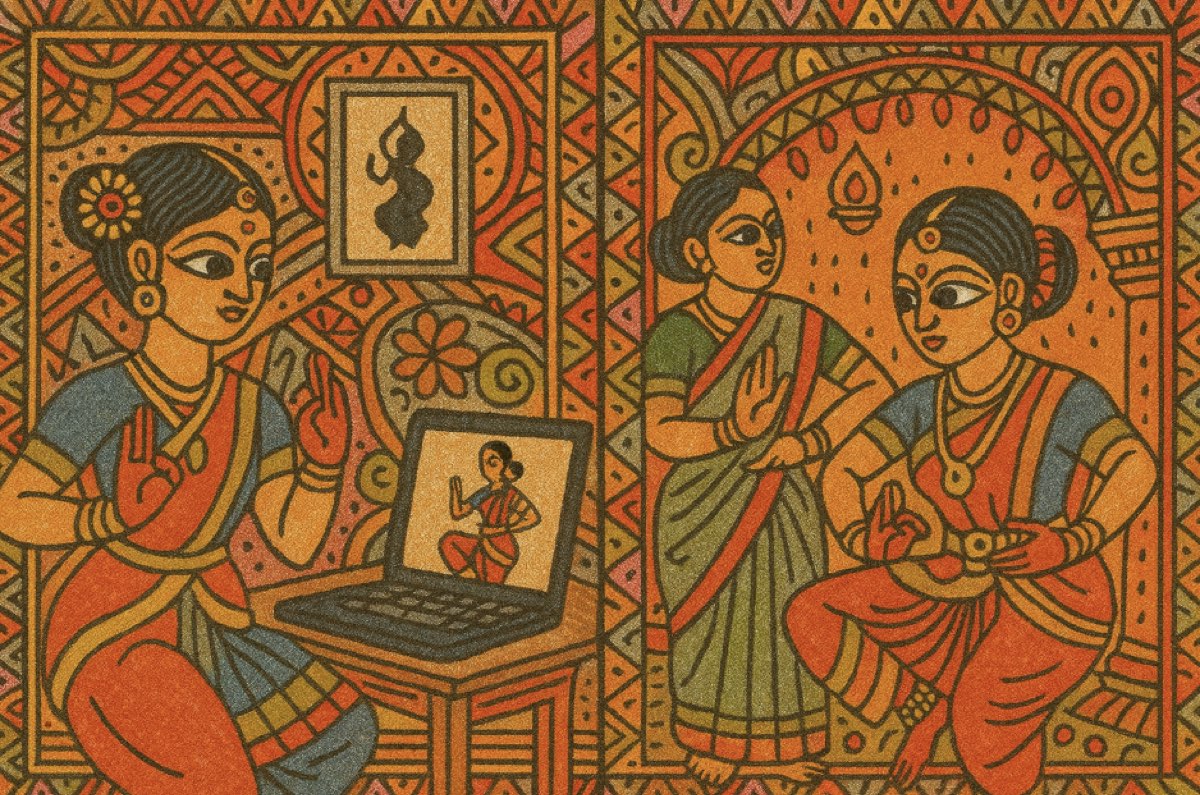
Introduction: The Timeless Art of Bharatanatyam in a Digital Age
Bharatanatyam, the divine dance of South India, has captivated hearts for centuries with its graceful movements, intricate mudras, and profound storytelling. As technology bridges distances, aspiring dancers now face a choice: to learn Bharatanatyam online or in traditional offline settings. This article will guide you through the nuances of both options, helping you decide which path aligns best with your spiritual and artistic journey.
The Essence of Bharatanatyam: A Brief Historical Context
Before we delve into the modern learning methods, let's pause to appreciate the rich heritage of Bharatanatyam. Rooted in the ancient Natya Shastra, this classical Indian dance form originated as a temple dance, expressing devotion and narrating mythological tales through a harmonious blend of nritta (pure dance), nritya (expressive dance), and natya (dramatic elements).
Online Bharatanatyam Classes: Embracing Technology
Advantages of Virtual Learning
- Flexibility: Learn at your own pace and schedule
- Global Access: Study with renowned gurus from anywhere in the world
- Recorded Sessions: Revisit lessons for deeper understanding
- Diverse Learning Materials: Access to digital resources and interactive tools
Challenges of Online Classes
- Limited Physical Corrections: Instructors may struggle to adjust postures remotely
- Technical Issues: Internet connectivity can disrupt the flow of lessons
- Reduced Immersion: Missing the ambiance of a traditional dance space
Offline Bharatanatyam Classes: The Traditional Approach
Benefits of In-Person Learning
- Direct Guidance: Immediate feedback and physical adjustments from the guru
- Cultural Immersion: Experience the authentic atmosphere of a dance studio
- Peer Interaction: Learn alongside fellow students, fostering community
- Holistic Development: Absorb subtle nuances of abhinaya and rasa through close observation
Drawbacks of Offline Classes
- Fixed Schedules: Less flexibility in timing and frequency of classes
- Travel Time: Commuting to classes can be time-consuming
- Limited Options: Access restricted to local teachers and styles
Technical Aspects: Mastering Bharatanatyam Fundamentals
Whether online or offline, the core elements of Bharatanatyam remain constant. Let's explore how these foundational aspects are approached in both settings:
Adavus and Aramandi
The basic steps (adavus) and half-sitting posture (aramandi) form the backbone of Bharatanatyam technique. Online learners can benefit from close-up video demonstrations, while offline students receive hands-on guidance to perfect their stance.
Mudras and Expressions
The intricate hand gestures (mudras) and facial expressions (abhinaya) are crucial for storytelling. Virtual classes often use zoom features to showcase detailed mudras, whereas in-person classes allow for nuanced corrections in expression.
Rhythm and Carnatic Music
Synchronizing movements with Carnatic music is essential. Online platforms offer the advantage of integrated music players, while offline classes provide the irreplaceable experience of live musical accompaniment.
Making Your Choice: Factors to Consider
- Learning Style: Are you self-motivated or do you thrive on personal interaction?
- Goals: Are you aiming for casual learning or preparing for an arangetram?
- Resources: Consider your budget, time availability, and technological access
- Cultural Connection: How important is immersion in the traditional learning environment to you?
Bridging the Gap: Hybrid Learning Approaches
Many students and teachers are now adopting a hybrid model, combining the benefits of both online and offline learning. This approach allows for regular online classes supplemented by periodic in-person workshops or intensives, offering the best of both worlds.
Practice Tips for Both Online and Offline Learners
- Create a dedicated practice space at home, even if attending offline classes
- Maintain a consistent practice schedule, regardless of class format
- Record yourself practicing to self-assess and track progress
- Engage with Bharatanatyam literature and videos to deepen your understanding
- Participate in online forums or local dance communities to stay connected and motivated
Conclusion: Your Bharatanatyam Journey Awaits
Whether you choose to learn Bharatanatyam online or offline, remember that the essence of this sacred art form transcends the medium of instruction. Your dedication, passion, and reverence for the dance will ultimately shape your growth as a dancer. Embrace the path that resonates with your spirit, and let the rhythms of Bharatanatyam guide you on a transformative journey of self-discovery and artistic expression.