Starting Bharatanatyam as an Adult: Your First Year Journey
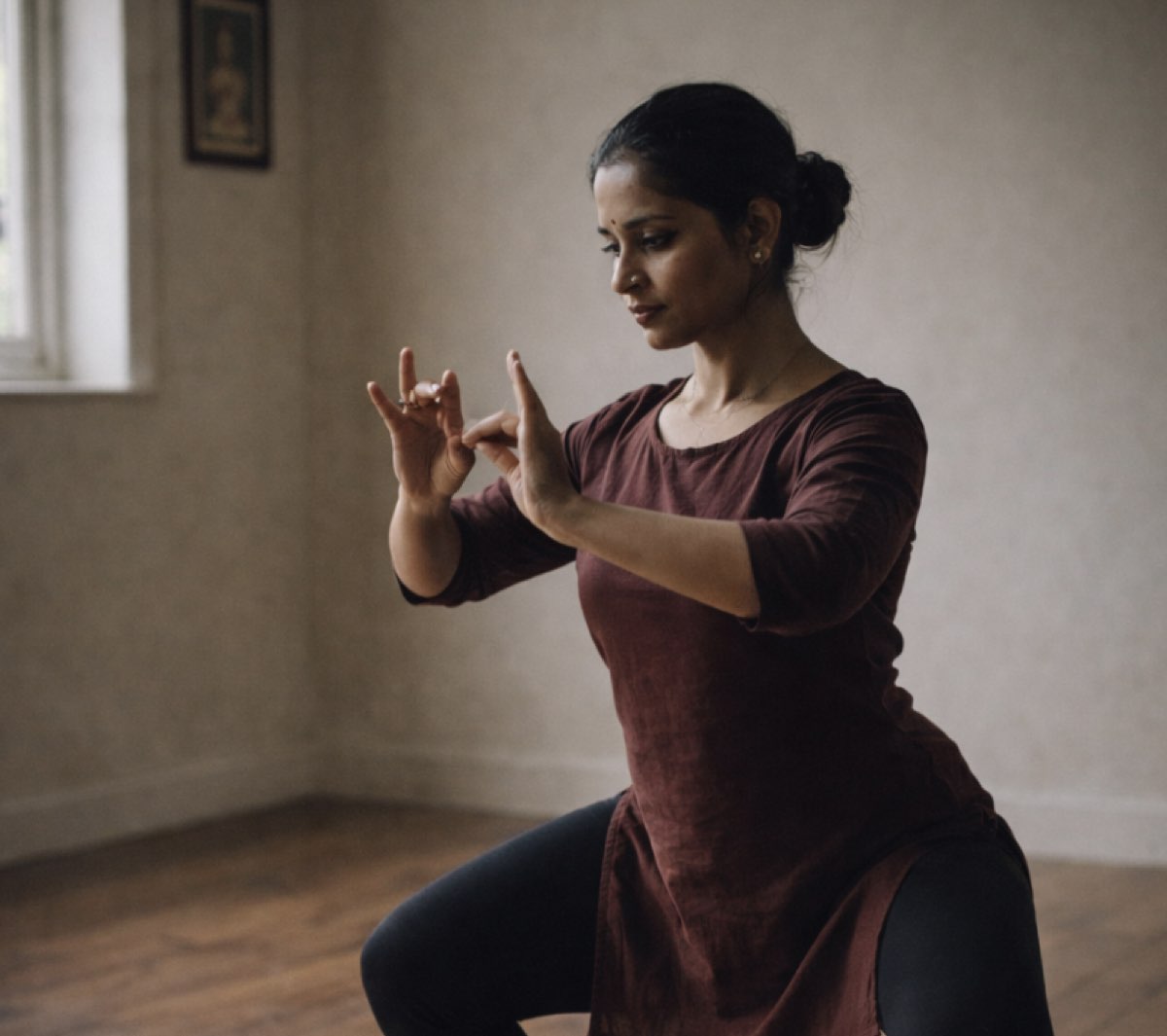
The sound of ghungroos echoes through the dance studio as you take your first steps into the ancient world of Bharatanatyam. Whether you're drawn by its spiritual depth, cultural richness, or sheer artistic beauty, beginning this classical Indian dance form as an adult is both a privilege and a profound commitment. Unlike learning as a child, adult learners bring life experience, dedication, and a deeper appreciation for the art's cultural significance.
The Sacred Foundation: Understanding Bharatanatyam's Spiritual Context
Before your feet touch the floor in aramandi (the fundamental bent-knee position), it's essential to understand that Bharatanatyam is far more than dance—it's a spiritual practice rooted in devotion. Originating as a temple dance in Tamil Nadu, this art form was codified in the ancient text Natya Shastra, which describes dance as a means to achieve moksha (liberation).
As an adult beginner, you'll discover that Bharatanatyam integrates three key elements: nritta (pure dance), nritya (interpretive dance), and natya (dramatic expression). This trinity forms the backbone of every performance, from your first adavu to your eventual arangetram (graduation performance). The dance's connection to Carnatic music adds another layer of complexity, as you'll learn to embody rhythm, melody, and meaning simultaneously.
Building Your Technical Foundation: Adavus and Aramandi
Your first year will be dominated by mastering the fundamental building blocks called adavus. These basic steps form the vocabulary of Bharatanatyam, much like scales in music. Expect to spend considerable time perfecting:
- Tatta adavu: The foundational stepping pattern that teaches weight distribution
- Naatu adavu: Stretching movements that develop grace and extension
- Visharu adavu: Quick, intricate footwork that builds stamina
- Kuditta mettadavu: Jumping sequences that strengthen legs and improve coordination
The aramandi position—a deep plie with turned-out feet—will initially challenge your muscles and balance. Adult learners often find this position particularly demanding, but consistency in practice will gradually build the necessary strength. Remember, even seasoned dancers continue to refine their aramandi throughout their careers.
Understanding Mudras: The Language of Hands
Simultaneously, you'll begin learning mudras (hand gestures) that form the expressive vocabulary of Bharatanatyam. The 28 single-hand mudras (asamyuta hastas) and 23 double-hand mudras (samyuta hastas) might seem overwhelming initially, but they follow logical patterns. Start with basic mudras like pataka (flag), tripataka (three-part flag), and ardha pataka (half flag), practicing their meanings and applications in storytelling.
The Art of Abhinaya: Bringing Stories to Life
Perhaps the most rewarding aspect of your first year will be discovering abhinaya—the art of expression through facial expressions, eye movements, and body language. Unlike Western dance forms that often emphasize physical prowess, Bharatanatyam places equal importance on emotional communication.
You'll learn the nine rasas (emotions): love, laughter, compassion, anger, courage, fear, disgust, wonder, and peace. Initially, expressing these emotions might feel awkward, but adult learners often excel in abhinaya due to their life experiences and emotional maturity. Practice in front of a mirror, focusing on your eyes—considered the most important feature in Bharatanatyam expression.
Common Challenges and Practical Solutions
Adult beginners typically face several challenges that differ from younger students:
Physical Limitations
Your body may resist the demands of aramandi and complex footwork. Solution: Supplement bharatanatyam classes with yoga or pilates to improve flexibility and core strength. Never push through pain—progress gradually and listen to your body.
Memory and Coordination
Learning sequences while coordinating hands, feet, and facial expressions can be overwhelming. Solution: Break down complex movements into smaller segments. Practice adavus slowly with a metronome, gradually increasing speed as muscle memory develops.
Cultural Context
Understanding the mythological and cultural references in dance compositions requires study beyond the studio. Solution: Read about Hindu mythology, attend Carnatic music concerts, and engage with Indian culture respectfully and authentically.
Essential Practice Tips for Your First Year
Consistent home practice is crucial for progress in Bharatanatyam. Here's how to structure your practice sessions:
- Warm-up (10 minutes): Joint rotations, stretches, and basic aramandi holds
- Adavu practice (20 minutes): Focus on 2-3 adavus per session, emphasizing precision over speed
- Mudra review (10 minutes): Practice hand positions and their meanings
- Cool-down (5 minutes): Gentle stretches and relaxation
Create a dedicated practice space at home, even if it's just a small corner with a mirror. Invest in a good pair of ghungroos once your teacher recommends them—typically after mastering basic adavus.
Setting Realistic Expectations
Progress in Bharatanatyam is measured in years, not months. During your first year, focus on:
- Mastering 8-10 basic adavus with proper technique
- Learning fundamental mudras and their applications
- Developing basic abhinaya skills
- Understanding the cultural and spiritual context
- Building physical strength and flexibility
Don't expect to perform complex pieces or achieve the grace of experienced dancers immediately. Every master was once a beginner, and your journey is unique.
Embracing the Transformative Journey
As you complete your first year of Bharatanatyam, you'll likely find that the dance has changed you in unexpected ways. Beyond physical fitness and artistic skill, students often report increased mindfulness, cultural appreciation, and spiritual awareness. The discipline required for mastering this classical Indian dance form cultivates patience, perseverance, and deep respect for tradition.
Remember that Bharatanatyam is not just about perfecting technique—it's about connecting with centuries of cultural heritage and expressing the divine through movement. Your adult perspective brings unique strengths to this ancient art form, allowing you to appreciate its philosophical depths while honoring its sacred traditions.