Master the Art of Chakkars: Elevate Your Kathak Spins
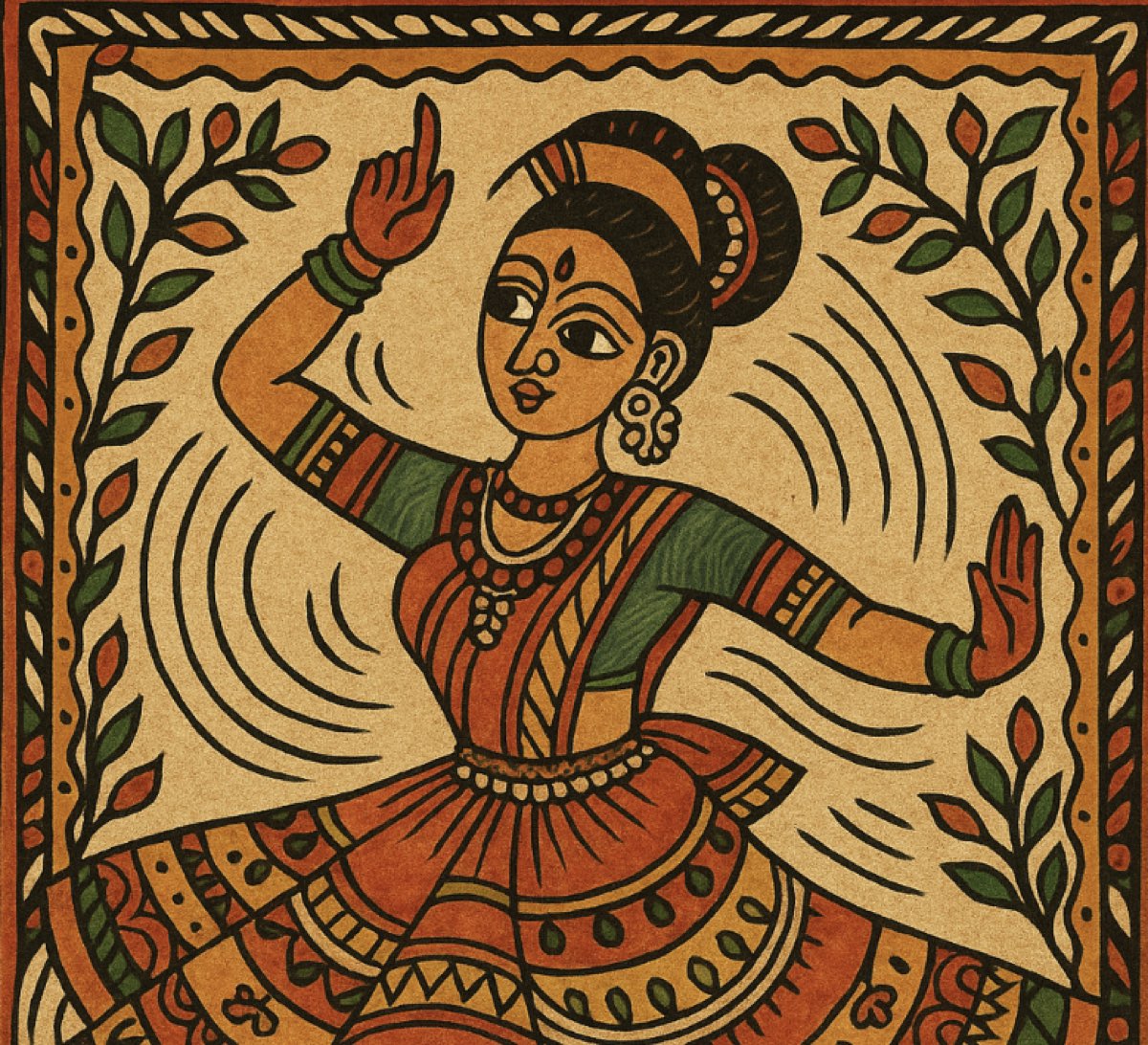
Taa Thei Thei Tat... The Whirling World of Kathak
Imagine this: a Kathak dancer, ghungroos shimmering at her ankles, begins a slow, graceful turn. The tabla picks up speed, the rhythm intensifies, and suddenly the dancer is a whirl of color and sound. This is the magic of chakkars—the signature spins of Kathak—where control, rhythm, and pure joy come together on stage.
Chakkars Through Time
Chakkars, or spins, are one of the most recognizable features of Kathak. They trace their roots back to temple rituals, where the circular motion symbolized life and the cosmos. Later, in the Mughal courts, these spins grew more elaborate, a dazzling showcase of stamina and artistry, often woven with intricate tatkar (footwork patterns).
From Temples to Courts
As Kathak moved from sacred spaces to royal courts, each gharana (school of dance) developed its own style of spinning:
- Lucknow Gharana: Smooth, flowing spins
- Jaipur Gharana: Lightning-fast, multiple pirouettes
- Benares Gharana: Strong, grounded turns full of energy
Learning the Spin
To master a chakkar, a dancer needs balance, a strong core, and a sharp sense of rhythm. Here’s how it comes together:
1. Finding Your Center
Start in sam (the first beat). Engage your core, imagine a line running from the crown of your head to your grounded foot—this is your axis of control.
2. The Preparation
Begin with a simple chakkardaar tukra (spin sequence): "Tat Thei Thei Tat, Thei Thei Tat Tat, Thei Thei Tat Tat, Dha Dha Dhin Ta." Use it to gather rhythm and momentum.
3. The Turn
Push gently with your back foot, arms in tribhanga position. Focus your eyes on a fixed point and whip your head around to hold balance.
4. Keeping Rhythm with Footwork
While spinning, your feet still speak. Subtle tatkar (syllables like "Ta Thei Thei Tat") keep you anchored in rhythm.
Spinning with Taal
No chakkar is complete without rhythm. Spins are tied to taal (rhythmic cycles):
- Teentaal (16 beats): Perfect for beginners
- Ektaal (12 beats): Demands sharper timing
- Dhamar (14 beats): Slower, controlled, meditative spins
Practicing across different taals makes your spins versatile and musical.
Spins as Storytelling
Chakkars are not just technical feats—they bring stories alive. In expressive pieces, gentle spins can reflect a gopi swaying to Krishna’s flute. In a tarana, fast turns create drama and excitement, building to a breathtaking climax.
Tips for Perfecting Your Chakkars
- Spotting: Fix your gaze to prevent dizziness
- Breathe steadily: Don’t hold your breath
- Engage your core: It’s your anchor
- Build slowly: Start with one spin, then increase
- Cross-train: Yoga or Pilates can boost balance and strength
Whirling into Mastery
Learning chakkars is a journey of technique, rhythm, and storytelling. The more you practice, the more your spins transform into expressions of joy, devotion, and artistry. Over time, what begins as a technical exercise becomes a dance of spirit and soul.